The Changing Face of Furniture Shopping
Furniture shopping today is more than just picking an elegant or affordable piece — it’s about making mindful decisions. Modern buyers want transparency. They often ask:
- Where do the raw materials come from?
- How are they processed?
- What is their environmental impact?
This curiosity reflects a broader awareness — people now value furniture that aligns with their principles of sustainability and longevity.
Why Sustainable Manufacturing Matters
Responsible manufacturing is no longer just a marketing trend — it’s a necessity. Every stage, from material sourcing to finishing, must consider environmental and ethical standards.
True sustainability means:
- Using responsibly harvested wood such as teak, mahogany, or ash.
- Reducing waste through efficient design and production.
- Choosing finishes that are safe for both people and nature.
- Providing fair wages and ensuring safe working conditions.
A sustainable furniture maker focuses on transparency and long-term impact, not just aesthetics.
Choosing the Right Type of Wood
The kind of wood used defines both durability and eco-friendliness. Each variety offers distinct benefits:
- Ash wood: Lightweight, flexible, and sourced responsibly.
- Mahogany: Naturally strong and ideal for long-lasting furniture.
- Teak: Highly resistant to decay and requires minimal chemical treatment.
Selecting sustainable wood ensures that furniture lasts longer, reducing the need for frequent replacements.
How to Recognize Responsible Practices
Sustainability is about process integrity. Ethical manufacturers adopt:
- FSC or ISO-certified wood sourcing
- Energy-efficient operations
- Low-waste, recyclable production systems
- Low-VOC finishes to maintain air quality indoors
Such practices prove commitment to environmental care and product safety.
The Rise of the Conscious Buyer
Today’s buyers are informed and eco-aware. They prioritize quality and ethical production over low prices. Their motivations often include:
- A desire for long-lasting furniture
- Support for ethical and transparent practices
- Awareness of environmental limitations
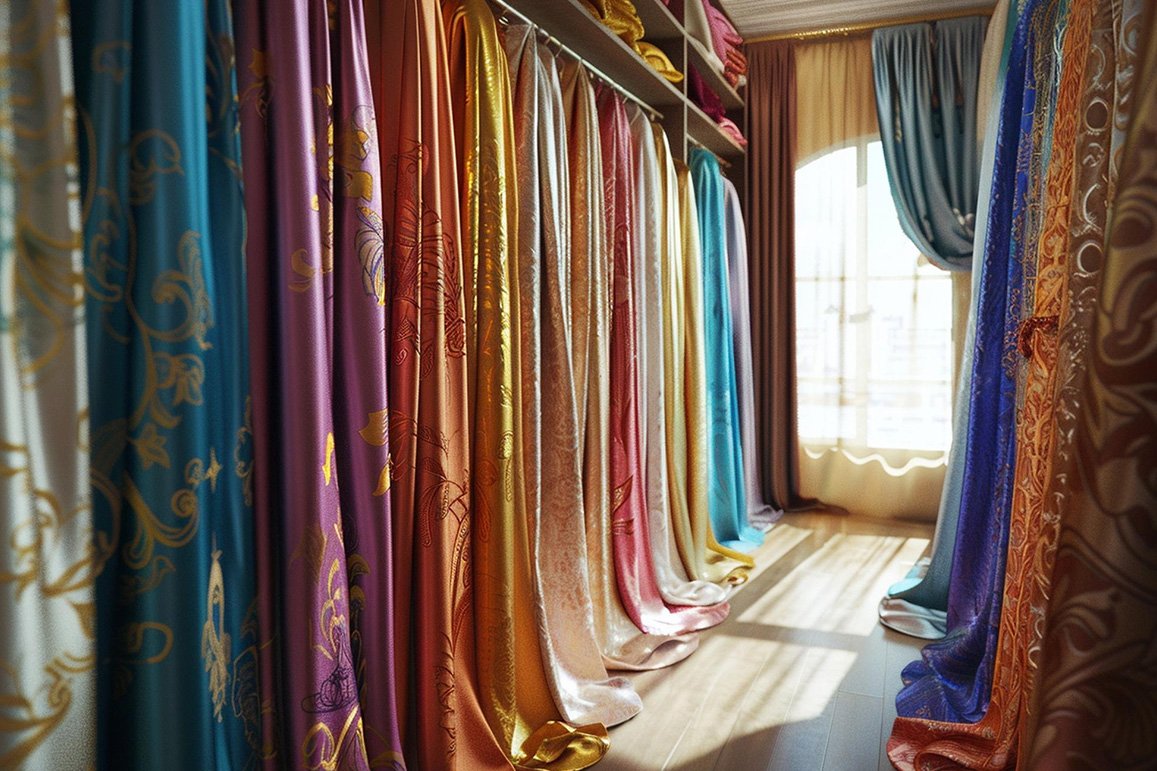
This shift in perspective has encouraged many businesses — from furniture makers to curtain shops in Hyderabad — to embrace sustainable methods wholeheartedly.
Balancing Style and Sustainability
Sustainability doesn’t mean compromising on design. Every type of wood brings a unique character:
- Ash fits contemporary spaces.
- Teak adds natural warmth.
- Mahogany suits traditional interiors.
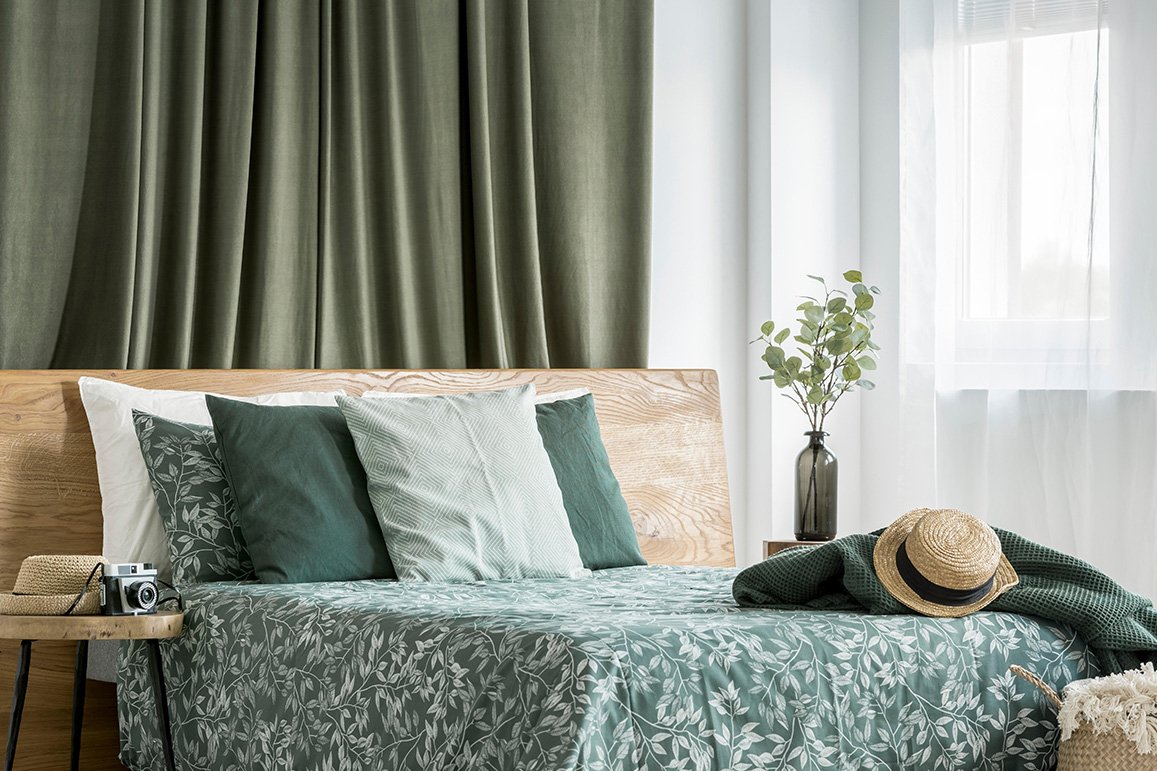
Even complementary home elements, like window blinds in Hyderabad, are now being crafted with eco-friendly materials, proving that ethical design can be stylish and modern.
Earning Customer Trust Through Honesty
When discussing eco-friendly practices, transparency builds credibility. Instead of vague claims, manufacturers should:
- Highlight traceable sourcing and certification
- Explain how materials reduce environmental harm
- Give factual examples of longevity and durability
Clear communication fosters customer confidence and lasting relationships.
Simple Steps to Maintain Sustainable Furniture
Eco-friendly furniture requires minimal effort to preserve its charm and durability:
- Dust gently using a soft cloth
- Avoid abrasive chemicals or cleaners
- Maintain indoor humidity to prevent damage
Proper care extends a product’s lifespan — a key aspect of sustainable living.
A Commitment to Ethical Craftsmanship
The foundation of sustainable furniture lies in three main principles:
- Verified sourcing of responsibly grown wood.
- Environmentally mindful manufacturing with non-toxic materials.
- Durable design, reducing waste and overproduction.
This approach ensures that every piece contributes positively to both the environment and the consumer’s lifestyle.